Autumnal Hues: Elevating Design with Fall Backgrounds
The crisp air and vibrant transformation of autumn offer a powerful palette for visual storytelling. A well-chosen Fall Background is more than just seasonal decoration; it's a strategic design asset that can instantly evoke warmth, nostalgia, and a sense of organic elegance. For designers, marketers, and creators, integrating these elements thoughtfully can significantly enhance branding, user experience, and the overall impact of a creative project, moving beyond cliché to communicate sophistication and seasonal relevance.
The Strategic Role of Seasonal Visuals
In modern graphic design, context is everything. A Fall Background sets a specific mood and aligns your content with a cultural moment, making your message more relatable and engaging. It taps into the collective psychology of the season—harvest, comfort, change, and preparation. This alignment strengthens brand identity by demonstrating timeliness and attention to detail, whether through a subtle textured overlay for a website or a bold, colorful header for a marketing campaign. The key is to use these assets with purpose, ensuring they support rather than overshadow your core message.
Practical Applications Across Creative Projects
The versatility of autumn-themed graphics makes them invaluable across numerous applications. Consider how they can solve specific design challenges:
- Branding and Logo Design: Incorporate fall motifs or color palettes into seasonal logos, brand collateral, or limited-edition packaging to signal a special promotion or a brand's connection to nature.
- Digital Marketing & Social Media: Create eye-catching social media graphics, email headers, and blog post featured images that stand out in feeds and drive higher engagement during the fall quarter.
- Web and UI Design: Use autumnal color schemes and background textures to refresh a website's look for the season, enhancing the user interface (UI) with a cohesive, timely aesthetic that improves user experience (UX).
- Editorial and Print Design: Design stunning magazine layouts, book covers, or brochure backgrounds that leverage the rich, layered quality of fall imagery for a professional and immersive feel.
- Presentations and Advertising: Transform corporate presentations or ad campaigns with backgrounds that convey growth, reflection, or harvest themes, adding visual depth and narrative context.
Tips for Effective Implementation
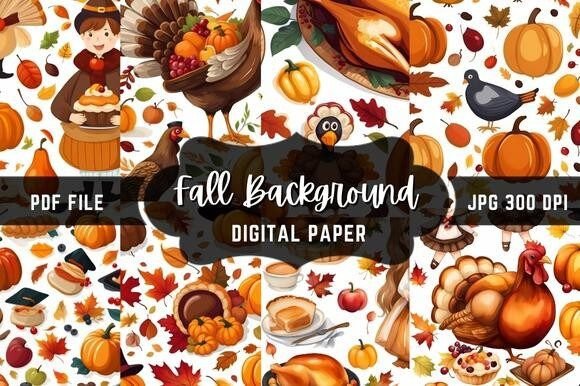
Simply adding a fall-themed image isn't enough. Effective use requires strategic selection and integration. First, ensure consistency with your existing brand color palette and typography. A vibrant orange background might clash with a minimalist, cool-toned brand system. Second, prioritize readability and visual hierarchy. Ensure text remains legible by using overlays, choosing backgrounds with subtle patterns, or selecting images with areas of negative space. Third, think about scalability. High-resolution assets (like the 300 DPI files mentioned) are crucial for print design and large-format displays, ensuring your work looks sharp and professional at any size.
When evaluating assets, consider the composition. Does the background have a clear focal point, or is it a seamless texture? The former can guide the viewer's eye, while the latter is ideal for supporting other content. Also, assess the emotional tone—a rustic, weathered wood texture conveys different values than a sleek, stylized leaf pattern. Choose elements that align with your project's goals and your audience's expectations.
Ultimately, the most impactful designs use seasonal elements as a thoughtful enhancement, not a distraction. By selecting high-quality, versatile creative assets and applying them with a designer's eye for detail, you can create visuals that are not only beautiful but also strategically effective. This approach ensures your work resonates deeply, communicates clearly, and maintains the professional polish that sets exceptional design apart. Investing in quality resources streamlines your design workflow and elevates the final result, proving that the right background is a cornerstone of compelling visual communication.