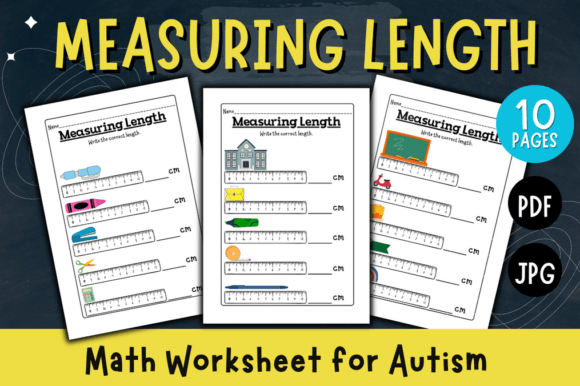
Measurement Worksheet for Autism Kids: Designing for Clarity
In the world of educational design, creating resources that are both effective and accessible is a paramount challenge. A Measurement Worksheet for Autism Kids is a perfect case study in how thoughtful graphic design can transform learning. It moves beyond mere aesthetics to serve a critical function: making abstract concepts tangible and manageable for neurodiverse learners. This approach underscores a fundamental principle of modern visual communication—design must serve the user, not just the brand.
The Role of Visual Design in Specialized Education
For designers and creators, developing resources like autism-friendly worksheets is an exercise in precision. The core challenge lies in balancing visual engagement with cognitive clarity. Overly complex layouts, distracting patterns, or inconsistent typography can create barriers. Instead, the design must employ a clean visual hierarchy, predictable structure, and purposeful use of color to guide the learner's focus. This mirrors best practices in UI/UX design, where every element has a clear function and supports the user's journey toward a goal.
Key Design Principles for Effective Learning Tools
When evaluating or creating educational assets, consider these foundational graphic design elements:
- Visual Hierarchy & Structure: Consistent use of headings, numbered steps, and ample white space reduces cognitive load. This structured approach is akin to designing a clear brand identity system, where every component has its place.
- Color Palette & Contrast: A restrained, high-contrast color palette ensures readability and can be used to categorize information (e.g., different colors for length vs. weight activities), much like in data visualization or infographic design.
- Typography & Readability: Selecting clean, sans-serif fonts with generous line spacing is crucial. The typographic choices prioritize legibility over stylistic flair, a principle vital in editorial design and web content.
- Imagery & Icons: Simple, unambiguous icons and realistic imagery help bridge the gap between abstract math concepts and the physical world. This directness is a powerful tool in packaging design and advertising, where communication must be instant.
Broader Applications for Designers and Creators
The design philosophy behind a specialized measurement worksheet has far-reaching applications for any creative project. It teaches us to design with empathy and intentionality. Consider how these principles apply to your work:
- Branding & Marketing Materials: Creating collateral that is accessible and easy to understand strengthens brand trust. A clear, logical layout in a brochure or website mirrors the structured approach of an effective worksheet.
- Social Media Graphics: In a fast-scrolling environment, using clear visual cues, simple icons, and bold, readable text—inspired by educational design—can dramatically improve message retention and engagement.
- Digital Products & Presentations: Whether designing an e-book, a slide deck, or a software interface, applying principles of visual clarity and user-centered structure ensures your content is professional, usable, and impactful.
Ultimately, the success of a resource like a Measurement Worksheet for Autism Kids lies in its seamless fusion of form and function. It demonstrates that the highest goal of graphic design is not just to create something beautiful, but to craft a clear, effective, and respectful channel for communication. By prioritizing the user's needs and applying disciplined design thinking, you can elevate any creative project from merely decorative to genuinely valuable, fostering understanding and confidence in your audience. Quality design assets are the tools that make this meaningful work possible.