Creative Assets: Enhancing Visual Communication in Educational Spaces
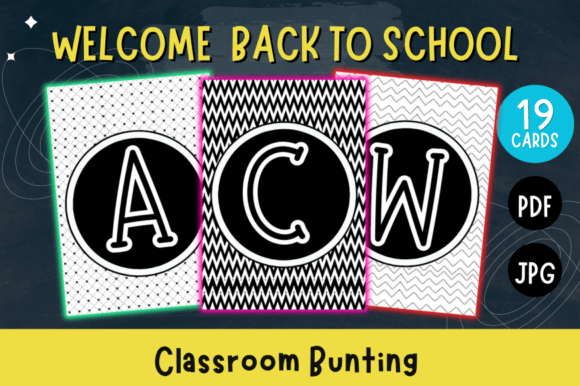
A thoughtfully designed classroom environment does more than fill empty wall space; it establishes an immediate emotional tone, communicates institutional values, and supports cognitive engagement. The "WELCOME BACK TO SCHOOL Classroom Bunting" serves as a prime example of how targeted graphic design elements can transform a static room into a dynamic learning ecosystem. By integrating educational motifs such as books and apples with a clean, legible typographic hierarchy, this asset bridges the gap between functional decoration and strategic visual communication.
The Role of Visual Hierarchy in Classroom Branding
In the realm of visual design, consistency is key to building a recognizable identity. Just as a corporation relies on a specific color palette and logo design to foster trust, an educational environment utilizes visual assets to create a sense of stability and excitement. This bunting acts as a branding tool for the classroom, using a cohesive style to set expectations for the academic year. The strategic placement of the phrase "WELCOME BACK TO SCHOOL" utilizes large-scale typography to ensure immediate readability, a fundamental principle in both print design and UI design.
Practical Applications Beyond the Classroom
While the primary function is educational decor, the underlying design principles of this asset make it a versatile resource for various creative projects. Modern designers and content creators can repurpose these high-quality elements for a range of applications that extend beyond physical walls:
- Digital Marketing and Social Media Graphics: The vibrant color palette and engaging illustrations are perfect for creating back-to-school campaigns on Instagram or Facebook. The elements can be deconstructed to create stickers, story highlights, or header images.
- Editorial Design and Web Design: For educational blogs or school newsletters, these motifs provide excellent visual breaks. They can be used to illustrate articles on pedagogy, student wellness, or curriculum updates, enhancing the user experience (UX) by making the content more approachable.
- Mercandise and Packaging Design: The cheerful aesthetic translates well to merchandise such as tote bags, stationery, or stickers. In packaging design, these elements can be used to wrap student welcome kits, adding a layer of perceived value and professionalism.
- Presentation and UI Design: Incorporating these design assets into slide decks or school portal interfaces helps maintain a modern aesthetic that resonates with both students and parents, ensuring the digital experience feels as welcoming as the physical one.
Evaluating Design Assets for Quality and Usability
When selecting creative assets like the "WELCOME BACK TO SCHOOL Classroom Bunting," it is essential to evaluate them based on technical quality and adaptability. A professional graphic design workflow demands assets that are scalable and compatible with various formats. This particular resource, available in both PDF and JPG formats, offers flexibility for high-resolution printing or digital integration.
Designers should consider the following factors when integrating such assets into their workflow:
- Scalability: Ensure the design retains its clarity when scaled up for large format printing or down for digital thumbnails. The vector-like quality of the illustrations is crucial here.
- Color Harmony: Analyze how the bunting’s colors interact with the existing brand identity of the school or classroom. The use of primary colors often ensures high visibility and energy.
- Composition and Balance: Look for assets that offer a balanced visual weight. The alternating flags in a bunting design naturally create a rhythm that guides the viewer's eye, a technique often used in advertising campaigns to maintain engagement.
Ultimately, the success of any design project relies on the ability to evoke the right emotion while maintaining functional clarity. By utilizing high-quality, well-designed assets like this classroom bunting, creators and educators can foster an environment that is not only visually appealing but also psychologically supportive of learning and growth. Investing in professional-grade creative resources ensures that every visual touchpoint contributes to a cohesive, inspiring narrative.