Shape Recognition Math Worksheets: Design & Application
In the realm of visual communication, the foundational principles of geometry are not merely academic—they are the backbone of effective design. From the golden ratio in logo design to the grid systems underpinning modern UI design, shapes are the silent language of our visual world. This is precisely where specialized resources like Shape Recognition Math Worksheets find their unexpected yet powerful application, particularly in creating inclusive design systems and educational branding.
For graphic designers, marketers, and educators, understanding shape recognition is fundamental. These worksheets, designed with clarity and structure, mirror the core principles of visual hierarchy and spatial awareness that professionals apply daily. They serve as a tangible example of how clear, well-defined shapes guide the eye, create meaning, and build intuitive understanding—a skill critical for anyone involved in branding, packaging design, or social media graphics.
The Design Principles Behind Effective Shape Recognition
At its heart, effective shape recognition is about visual discrimination and cognitive processing. In professional design, this translates directly to creating logos that are instantly recognizable, icons that communicate function without text, and layouts that feel balanced and intuitive. The methodology in resources like these worksheets—using clean lines, high contrast, and unambiguous forms—parallels the best practices in creating scalable vector assets and timeless brand identities.
Consider the practical applications of mastering shape recognition in a design workflow:
- Logo and Brand Identity Design: A strong brand mark often relies on a simple, memorable shape. Understanding how shapes are perceived helps in crafting logos that convey the right brand attributes—stability, innovation, or approachability.
- User Interface (UI) and Web Design: Buttons, icons, and interactive elements use shapes to signal functionality. Consistent shape language across a digital product enhances usability and creates a cohesive user experience.
- Print and Editorial Design: Shapes guide the reader's eye through a magazine spread or annual report. They create visual pathways, highlight key information, and break up text-heavy pages, improving readability and engagement.
Integrating Foundational Skills into Creative Projects
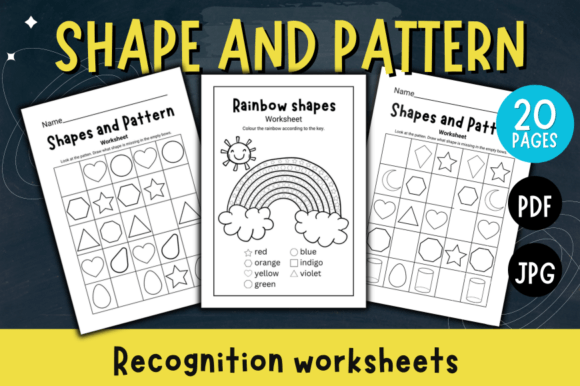
For designers working on projects aimed at younger audiences or educational materials, assets that are both pedagogically sound and aesthetically pleasing are invaluable. A well-designed set of shape worksheets can serve as inspiration for creating engaging educational flashcards, interactive app elements for children, or visually clear instructional guides. The emphasis on autism-friendly visuals—high contrast, predictable layouts, and minimal distractions—aligns perfectly with universal design principles that benefit all users.
When selecting or creating such visual assets, designers should evaluate them against key criteria:
- Visual Clarity and Consistency: Ensure shapes are distinct and rendered with uniform weight and style. This is crucial for maintaining a professional presentation and ensuring scalability from print to digital.
- Color and Contrast: A thoughtful color palette enhances shape definition. High contrast is not only an accessibility best practice but also a tool for creating strong visual hierarchy in marketing materials and presentations.
- Contextual Relevance: The style of the shapes should align with the project's broader aesthetic. Geometric shapes may suit a tech brand's modern aesthetics, while organic shapes could better fit a wellness or lifestyle brand.
Ultimately, the study and application of shape recognition transcend a single worksheet. It is a fundamental exercise in visual literacy. By honing this skill, designers and creators can make more intentional choices in every aspect of their work, from the curve of a typeface to the architecture of a website layout. Investing in high-quality, thoughtfully designed creative assets—whether for direct use or as a source of design inspiration—strengthens the entire design workflow, leading to more compelling, effective, and beautifully communicated ideas.